Press and media
What Katori is, what we found, and the assets to use. No email needed first.
About Katori
Katori is an AI nutrition tracker built specifically for Indian food. Point a camera at a thali and it identifies each dish, works out the portions, and returns calories and macros that hold up, because the underlying data is calculated from stated recipes rather than borrowed from a Western database. It accounts for the two things generic trackers miss: that home, restaurant, and dhaba versions of the same dish can differ by half, and that a katori is roughly 150 ml rather than a US measuring cup. All 49 dishes are published with the recipe basis, the confidence level, and the preparation spread behind every number.
The story in one line
Shivam Verma moved to Canada as an international student, started tracking his macros to put on weight, and found that every calorie app was built for grilled chicken and a measured cup of rice rather than dal, sabzi and two rotis. After months of guessing at his own plate, he built the tracker he needed. Read the full story.
Key findings
Quotable, and every figure is published with the recipe it came from in the nutrition data audit.
Soya chaap is routinely quoted at 18 to 20 grams of protein. For the dish most people actually eat, it is about 9 grams per katori.
The soya chaap correction
Published figures for dal makhani range from 90 to 300 calories a serving. That is not measurement error, it is different recipes wearing the same name, because nobody states the recipe.
The dal makhani spread
Most published Indian food nutrition numbers do not survive basic arithmetic. Some of the figures the internet repeats are off by half.
Nutrition data audit
Media assets
Free to use with credit to Katori. The wordmark is available as the social card (1200 x 630 PNG), the bowl mark as an SVG icon, and the founder photo as a JPG. For vector logo files or print resolution, email us and we will send them over.


Headline calories and macros for all 49 dishes, one row each: download the dataset as a CSV. The recipe basis and preparation spread behind each number live on the individual dish pages.
The calculator
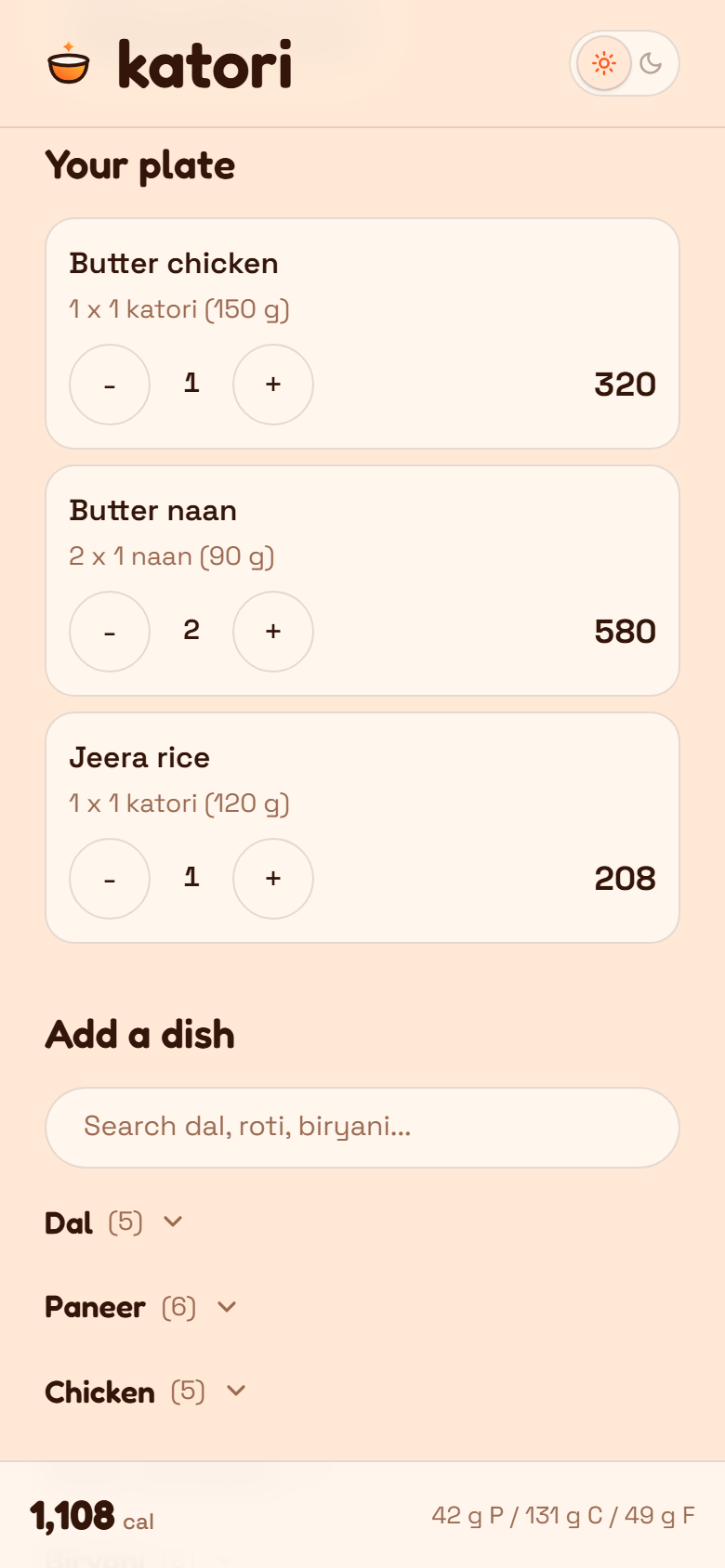
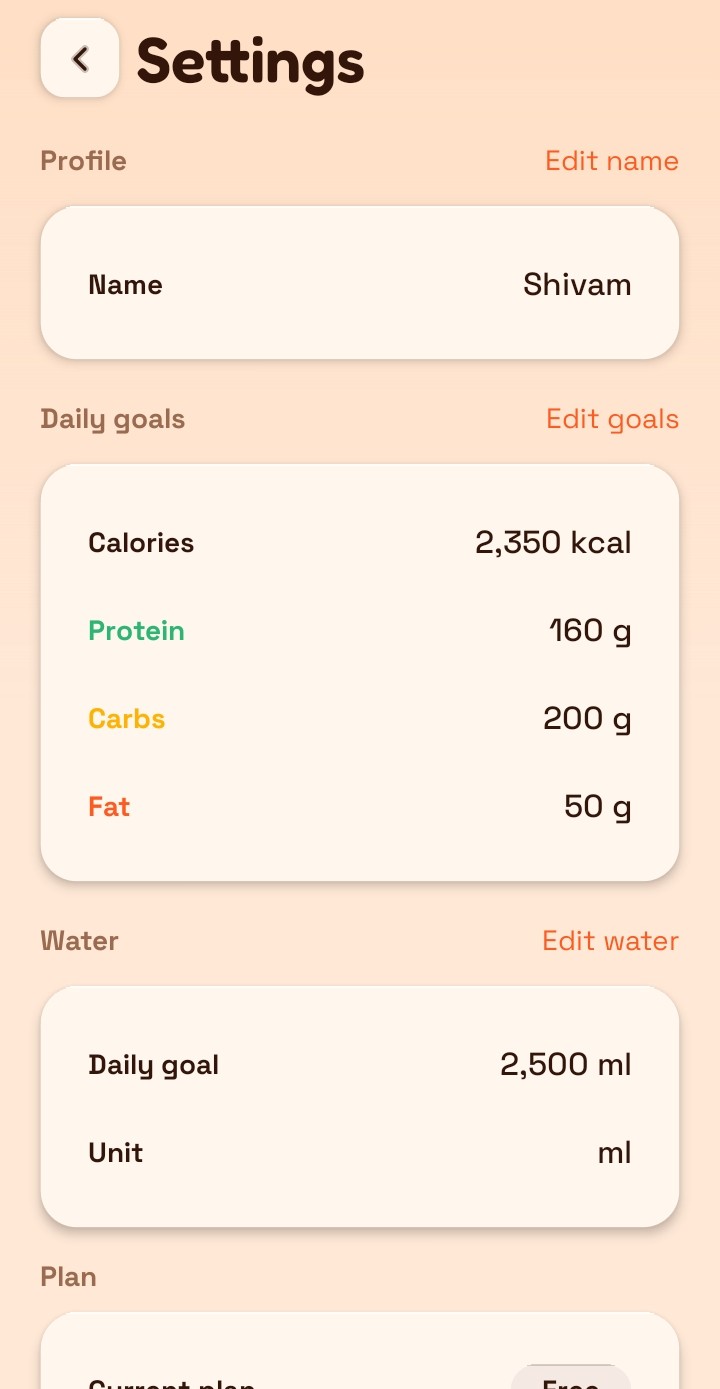
App screenshots
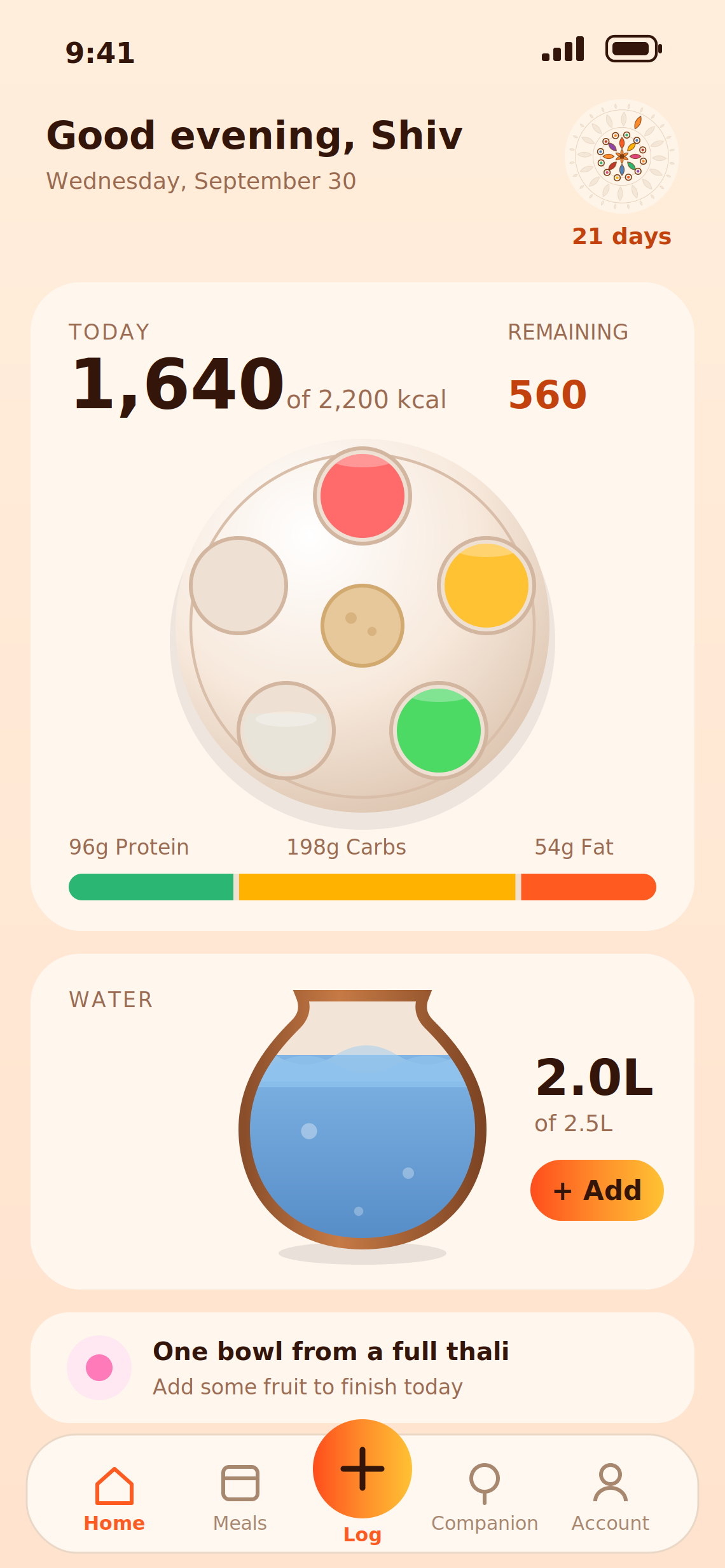
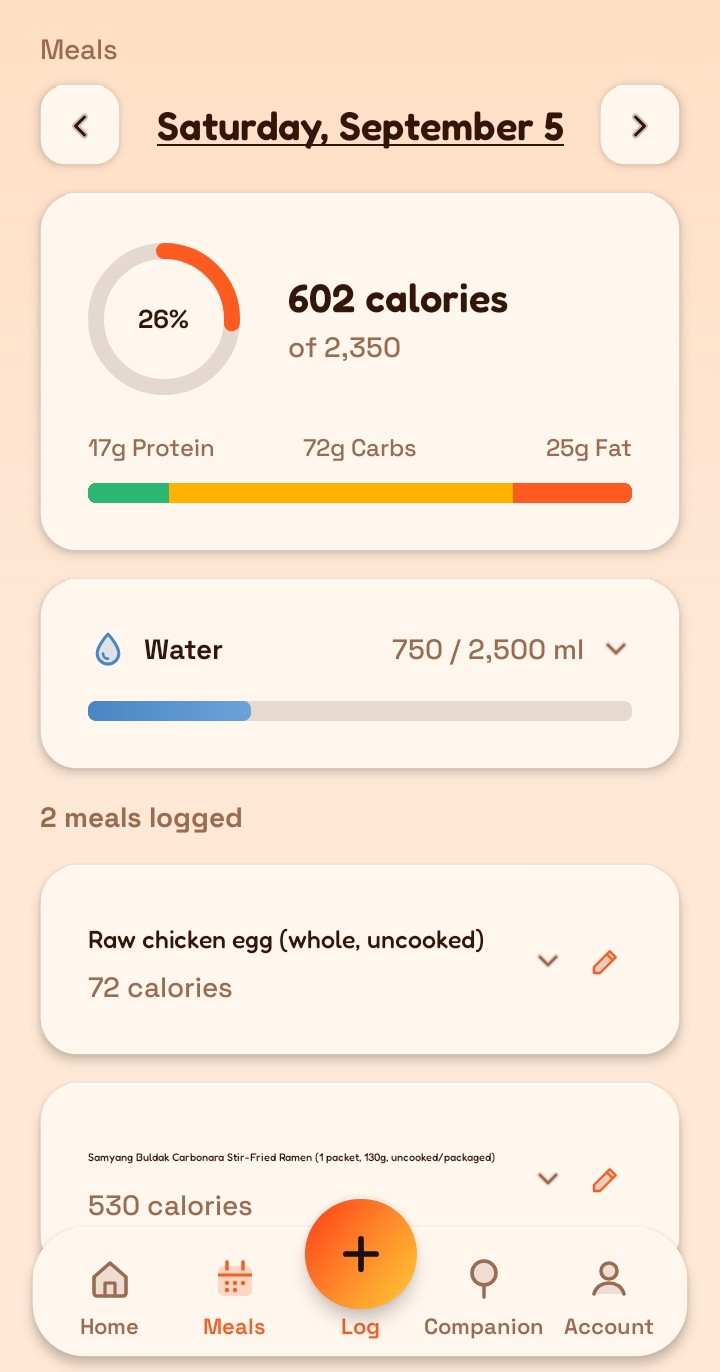
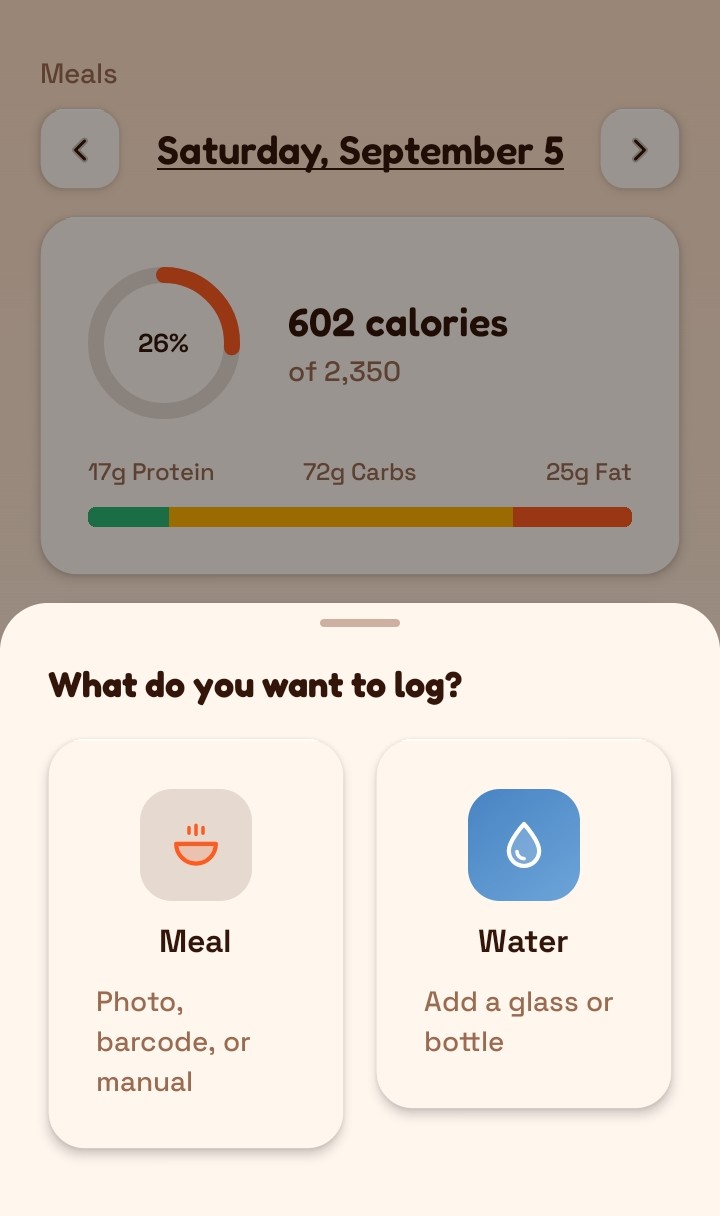
Free tools and data for your story
All of it is free to use with credit to Katori. The Indian food calorie calculator builds a plate and shows what it costs at home, at a restaurant and at a dhaba. The dataset downloads as a CSV, and the calorie chart shows the same figures as a table you can read at a glance.
For the method and the findings, the nutrition data audit shows where the published numbers fall apart and why, and homemade vs restaurant Indian food puts a figure on the gap that most reporting misses.
When we get a number wrong we say so: corrections are published openly in the corrections section of the audit, on the dish page that carried the old figure as well.
Founder

Shivam VermaFounder of Katori, building nutrition tracking for the food a billion people actually eat.
Contact
Press enquiries, interviews, data questions and asset requests: info@getkatori.com. Katori is built in Winnipeg, Canada. Please credit as Katori, linking to getkatori.com/nutrition-data-audit when citing the findings.